
There was a time when customer service meant long phone queues, repetitive hold music, and the hope that a human agent would pick up soon. Fast forward to today, and the landscape has changed dramatically. Enter the customer service chatbot, a digital assistant that never sleeps, answers instantly, and is quickly winning the hearts of consumers across the globe.
But what do people really think about chatbots? Surprisingly to some, the overwhelming sentiment is positive. Customers love the speed, convenience, and even the personality that modern chatbots bring to their service experience. Let’s explore why these AI-powered helpers have become customer favorites and how they’re shaping the future of brand engagement.
Shift in Customer Expectations
Today’s customers want fast, seamless, and personalized experiences. Patience for long wait times is at an all-time low. In fact, many people would rather type their question into a chatbot than wait several minutes on hold.
This change in expectations has created the perfect environment for chatbots to shine. They deliver answers instantly, make processes smoother, and are available 24/7, a level of service that even the best call center struggles to match.
Smarter Support
Customer expectations are shifting fast, and chatbots are now central to quick, reliable service. Stay ahead by giving customers the instant help they want. Get your free trial now and experience smarter customer interactions that keep your business available 24/7.
Why People Love Customer Service Chatbots?
So why are customers increasingly embracing chatbots? Here are some of the biggest reasons:
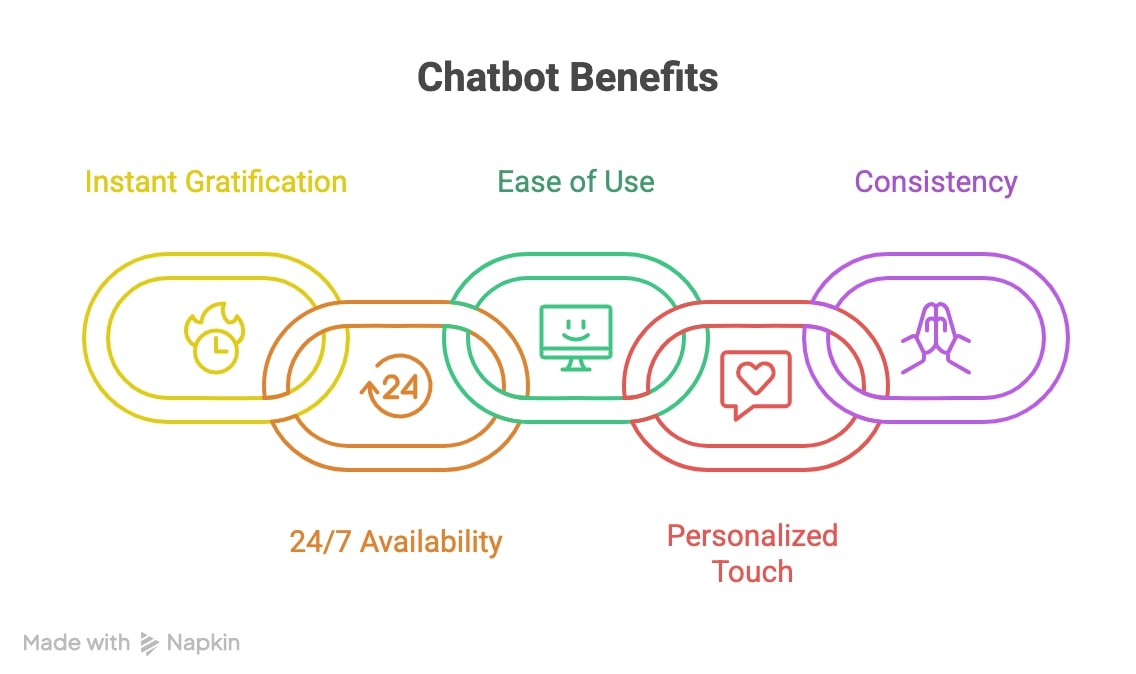
1. Instant Gratification
Nobody enjoys waiting. With chatbots, customers can get immediate answers to their questions from tracking orders to resetting passwords without wasting precious time. That sense of instant problem-solving is something people genuinely value.
2. 24/7 Availability
Life doesn’t operate on a 9 to 5 schedule, and neither do customer needs. Whether it’s midnight or early morning, chatbots are always ready to help. This 24/7 availability makes customers feel cared for, even outside traditional business hours.
3. Ease of Use
Modern chatbots are user-friendly and conversational. People no longer feel like they’re talking to a machine, they’re interacting with a helpful assistant who understands them. This simplicity makes the entire customer journey smoother and stress-free.
4. Personalized Touch
Far from being “cold machines” advanced chatbots use data to provide personalized recommendations. Shoppers are delighted when a chatbot remembers their last purchase or suggests products that match their preferences. This makes the experience feel more human than generic.
5. Consistency Across the Board
While human agents sometimes vary in tone or accuracy, chatbots provide consistent, reliable answers. Customers appreciate knowing they’ll get the right information every time, no matter when or how they reach out.
Emotional Side of Chatbots
It might sound surprising, but many people actually enjoy their interactions with chatbots. Some brands design chatbots with playful personalities, friendly greetings, or even a touch of humor. This makes the interaction more engaging and builds a positive emotional connection with the brand.
Customers also appreciate the low-pressure environment that chatbots provide. They don’t feel rushed or judged, and they can ask the same question multiple times without embarrassment. This sense of comfort makes chatbots a preferred option for many.
Real-Life Stories of Chatbot Success
- E-commerce Delight: A shopper had a sizing issue with a recent order. Instead of waiting for a customer service representative , she used a chatbot that instantly checked her order history and guided her through an exchange process in less than five minutes. Her review? “I wish all customer service was this easy!”
- Travel Made Simple: A traveler used an airline chatbot to rebook a missed flight in the middle of the night. No phone calls, no hold time just a quick resolution that saved hours of stress.
Stories like these aren’t rare anymore. They reflect how chatbots are removing friction from everyday experiences and creating lasting impressions on customers.
People Trust on Chatbots
Trust is the foundation of any customer relationship, and chatbots are proving themselves worthy. People trust them to:
- Handle personal details securely
- Provide accurate, reliable information
- Resolve issues without unnecessary back-and-forth
With businesses adopting strict data protection measures, customers now feel more confident sharing their information with AI assistants. This trust is turning into loyalty, something every brand dreams of building.
More Human Centric
As artificial intelligence continues to evolve, chatbots are becoming more conversational, empathetic, and proactive. Imagine a chatbot that not only helps you with your order but also checks in later to ensure you’re satisfied. That’s where the future is headed and customers are excited about it.
Rather than replacing humans, chatbots are acting as the first line of support, making interactions smoother and handing off complex cases to human agents when necessary. This hybrid model means customers get the best of both worlds: speed and efficiency from chatbots, empathy and creativity from people.
What Businesses Should Know
If there’s one thing companies should take from what people really think about chatbots, it’s this: customers don’t just accept them they expect them.
To meet these expectations, businesses should:
- Be transparent about using chatbots
- Ensure the chatbot is easy to use and accurate
- Continuously train it to stay updated
- Add a touch of personality to make it engaging
Brands that do this don’t just improve service efficiency; they win over customers with memorable, positive experiences.

Smarter Service, Happier Customers
So, what do people really think about customer service chatbots? They think they’re fast, reliable, and surprisingly enjoyable. Far from being a barrier, chatbots have become trusted companions in everyday customer journeys.
As customer expectations continue to rise, businesses that embrace chatbots are positioning themselves as innovative, customer-focused, and future-ready.
At PerfectCSR, we design chatbots that customers love to talk to. Our solutions are built for speed, privacy, accuracy, and human-like personalization, helping businesses deliver world-class support while staying true to their CSR values. If you’re ready to give your customers the chatbot experience they deserve, connect with us today and let’s make customer service smarter, faster, and friendlier.
Ready To Turn Conversations Into Customers?
Launch a no-code AI chatbot that answers questions, captures leads, and helps your business grow 24/7.
Start Your Chatbot FreeFAQs
1. Why do customers get frustrated with customer service chatbots?
Customers often get frustrated with chatbots when they receive irrelevant answers, repeat the same information, or cannot resolve their problems. Chatbots can improve the experience by understanding customer intent, providing accurate information, and offering a clear option to speak with a human agent.
2. Do customers trust AI chatbots with their personal information?
Customer trust depends on how businesses collect, store, and protect personal information. Clear privacy policies, secure data handling, transparency about AI use, and limited collection of sensitive details can help customers feel more confident when interacting with chatbots.
3. What do customers expect from a good customer service chatbot?
Customers generally expect a good customer service chatbot to provide quick, accurate answers, understand their questions, and make it easy to complete simple tasks. They also expect the chatbot to recognize its limitations and connect them with a human representative when necessary.
4. Why do some customers prefer human customer service agents over chatbots?
Some customers prefer human agents because people can better handle complex complaints, unusual situations, and conversations that require personal judgment or emotional understanding. Human agents can also adapt their responses when a customer's needs go beyond standard support questions.
5. How does chatbot accuracy affect customer satisfaction?
Chatbot accuracy directly affects whether customers can resolve their questions quickly and confidently. Incorrect or irrelevant answers can reduce trust and lead to repeat inquiries. Businesses should regularly test their chatbots, update their knowledge sources, and review conversations to improve response quality.
6. What makes customers abandon a chatbot conversation?
Customers may abandon a chatbot conversation when responses are slow, answers are unhelpful, questions are repeated, or the conversation gets stuck in a loop. A simpler chat flow, relevant answers, fewer unnecessary questions, and an easy human handoff can help reduce abandonment.
7. How can businesses improve customer opinions about chatbots?
Businesses can improve customer opinions by making chatbots easy to use, providing accurate and relevant answers, explaining when AI is being used, and allowing customers to reach human support. Reviewing customer feedback and fixing common conversation problems can also make chatbot interactions more useful and reliable.