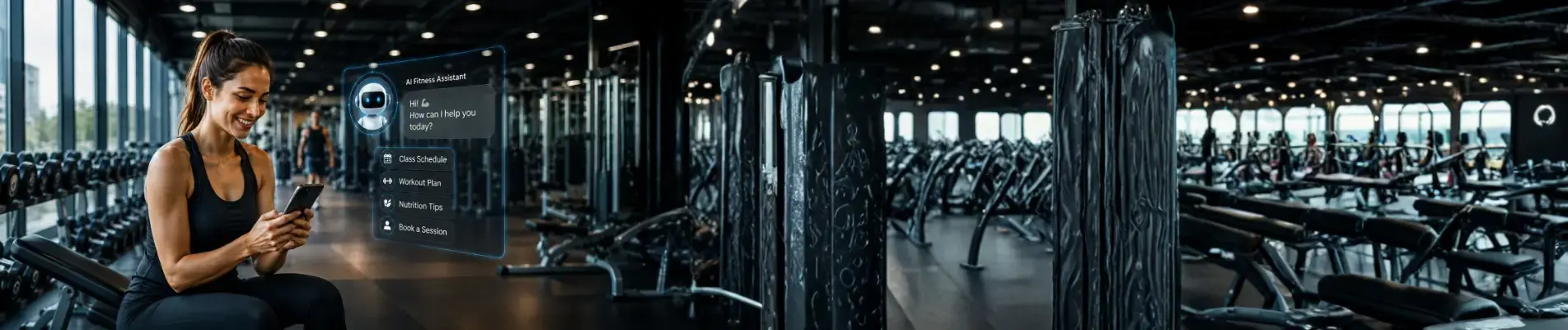
The global fitness market hit a $257 billion valuation just this year. Gym memberships now top 77 million worldwide. Yet most studios still run booking on static calendars and voicemail. Front desk staff juggle phone calls, walk-in tours, and the same 20 questions every single day. Meanwhile, members expect instant answers, not a callback tomorrow. An AI chatbot for fitness studio scheduling fixes that gap. It answers members on weekends, fills empty class spots, and frees your front desk from repeat questions. This blog shows you exactly how it works and how PerfectCSR can set it up for you.
Why Your Booking System Is Working Against You
Peak workout hours and peak inquiry hours rarely match. Your front desk gets slammed right when the gym floor needs them most. A member calls to ask about a 6 p.m. spin class, nobody picks up, and the call rolls to voicemail. That prospect signs up somewhere else within the hour. This is the daily reality for gym owners and studio managers. Legacy software only displays a calendar. It cannot answer a question, resolve a knee injury query mid-conversation, or stop a trainer double-booking.
When a member needs human intervention outside business hours, the booking halts completely. Modern members expect 24/7 booking support. They want to reserve a class, freeze a membership, or ask a pricing question at midnight. Static tools are structurally unable to deliver that. This is exactly why gyms need AI chatbots instead of passive calendar tools.
What Changes When You Run a Fitness Studio on Autopilot
Small class caps make this worse, especially as strength training and functional recovery services like cold plunges and compression therapy pull more Gen Z and Millennial members into a proactive, continuous health optimization mindset. A 15-person class with one no-show can mean a real hit to revenue, sometimes 7% to 13% of a session's income, and in a packed evening class, one cancelled spot is money the studio does not get back.
In an open-floor gym, one missed inquiry might not sting. In a single-instructor studio, it is the difference between a full room and an empty one. This is where fitness studio digital transformation comes in. Static calendar tools and manual booking management just cannot keep up anymore. The fix is not more staff or more front desk hours. It is a smarter front desk, one built on action-driven AI that can automate class booking, qualify leads, and support members 24/7 without a coder or extra staff training.
How AI Automates Fitness Studio Bookings
An AI conversational booking system replaces static web forms with real conversation. It uses natural language processing to understand what a member actually wants, not just a rigid menu of options. A member texts asking about yoga classes tomorrow evening, and the AI responds within seconds. It checks trainer schedules in real time, then offers Vinyasa Flow at 6:00 PM or Power Yoga at 7:30 PM. Once the member picks one, the booking logs to your studio calendar instantly, followed by a confirmation text and an automated reminder closer to class time. This same flow handles rescheduling, cancellation, and post-class check-ins that lead to rebooking. No need for phone calls or hold music, just a smart front desk that never clocks out.
Class Waitlist AI and Automated Class Fill
Waitlists are where studios quietly lose money. Here is how automated class fill closes that gap:
- A 6 p.m. reformer class caps at 12 people
- One member cancels at 4:30
- The AI instantly texts the next person on the waitlist
- That person confirms, pays, and signs a waiver in one flow
- The spot is filled before the front desk even notices the cancellation
This booking-waitlist-waiver-payment chain is why waitlist automation delivers some of the fastest payback of any studio investment. One founder running a boutique cycling studio saw class attendance climb 110% after switching to this kind of automated class fill. Are you ready to stop losing spots to slow replies? Start your free trial and watch your waitlist fill itself.
Advanced AI Booking Assistant Capabilities
Beyond simple class booking, an AI booking assistant for personal trainers handles far more complex scheduling work. For studios with multiple branches, the assistant checks availability across locations and routes a member to the nearest convenient one. No manual coordination between front desks required. For studios that offer one-on-one coaching, it syncs trainer calendars in real time, confirming working hours and preventing double bookings before they happen.
Waitlist automation runs the same way here too. When a class fills up, the next member in line gets an automatic SMS the moment a spot opens. They secure the reservation without any admin involvement at all.
AI-Powered Member Support Beyond Scheduling
Booking is only part of the job. Members ask the same 20 questions every single day. What are your hours on Sundays? Do you have a kids' area? Is there a student discount? An AI virtual assistant for gyms handles this volume without pulling staff away from the floor. It covers membership management too, including upgrading plans, freezing a membership for two months, or comparing Basic versus Premium tiers.
The AI chatbot answers facility questions about parking, showers, sauna access, and school holiday hours. It shares trainer bios, certifications, and package pricing for single sessions or a 10-pack. When a question falls outside its knowledge base, it escalates to a real staff member by email instead of guessing. That combination of automation and smart fallback keeps every conversation moving, day or night.
Key Benefits of AI Scheduling for Fitness Studios
The numbers behind this shift are measurable, not theoretical.
|
Benefit |
Real Impact |
|
Admin workload |
Up to 50% reduction |
|
Response time |
Under 5 seconds, 24/7 |
|
Scheduling conflicts |
Reduced to zero double-bookings |
|
Member churn |
Down roughly 25% |
|
Staff time saved |
35 to 40% on repetitive tasks |
|
Trial bookings |
Up to 30% increase |
|
Phone call volume |
Down about 70% |
These gains come from removing friction at every touchpoint. Front desk staff get their time back for an in-person member experience instead of answering the same question for the tenth time that day.
How AI Improves Member Experience and Retention
Member retention is cheaper than acquisition, and small habits keep people coming back. Automated reminders build consistency around a member's routine. A missed strength session gets a gentle nudge toward a recovery or mobility class instead. When something goes wrong, speed matters. A billing error that used to take three days to resolve now gets handled in a three-minute chat. That kind of fast fix is often the difference between a renewal and a cancellation.
AI can also flag risk before a member ever cancels. By tracking booking frequency, attendance, and payment behavior across 16 or more data points, it spots when someone is drifting. Maybe visits dropped off after the January rush, or a member stopped opening reminder texts. A "members at risk" flag lets you send a personalized message at exactly the right moment, well before they ghost the studio entirely.
Features to Look for in the Best AI Scheduling Software
Not all chatbots are built the same. When evaluating options, look for these core functionalities:
- A conversational engine that interprets intent, not just keywords
- Omnichannel support across web chat, SMS, and social media
- Real-time calendar syncing with your existing gym management platform
- Lead capture that asks about fitness goals, experience level, and budget
- Analytics that show booking volumes and peak demand windows
- Secure, encrypted in-chat payment for trials, upgrades, and class packs
- Human-in-the-loop escalation for anything outside its scope
A tool like PerfectCSR checks every one of these boxes while staying plug-and-play, so there is no lengthy IT project involved.
Key Use Cases for Fitness Chatbots
Different types of fitness businesses lean on this technology in different ways:
- Large gym chains use it for multi-location scheduling, membership transfers, and centralized FAQ handling across dozens of branches
- Boutique studios use it for specialized class packs, instructor profiles, and waitlist management for tight-cap sessions
- Wellness centers and spas use it for treatment menu questions, massage appointment booking, and nutrition consultation scheduling
Whatever the format, the goal stays the same: fewer repetitive questions, faster bookings, and a better first impression for every visitor.
How Fitness Studios Can Implement AI Scheduling
A good rollout follows something like the 10-20-70 rule. Only 10% of success comes from picking the right software. Another 20% comes from connecting your data and existing systems. The remaining 70% comes from staff buy-in and setting honest expectations for the change.
Here is what a simple implementation path looks like:
- Audit your front desk hours. Note when calls and messages spike so the AI is tuned to your busiest windows.
- Connect your calendar. Link real-time trainer availability through your scheduling API.
- Upload your FAQs. Add pricing, membership terms, and studio policies so answers stay accurate.
- Launch on one channel first. Start with web chat before expanding to SMS or social media.
- Monitor and refine. Review conversation logs weekly and update responses as questions evolve.
Most studios go from account setup to a live chat widget on their homepage in under 30 minutes with PerfectCSR.
Curious what this looks like on your own site? Create your free account and see it live in minutes, no credit card required.
Best Practices for Great Conversations
A chatbot should feel like a helpful assistant, not a robot reading a script. A few things make a real difference:
- Use a friendly, casual tone with buttons for quick replies like "Book a class" or "Meet the trainers."
- Keep messages short. Skip long paragraphs entirely.
- Always offer a clear path to a human when someone asks for one
- Match your brand voice, whether that is calm and clinical or upbeat and high-energy
- Collect feedback with a simple thumbs up or down after each chat, then update responses regularly
Boutique Studio Automation in Action
One boutique indoor cycling studio, run by a single founder, put this into practice directly. Choreographed, beat-driven rides left little time for admin between teaching blocks. After connecting bookings, memberships, and payments into one automated flow, class attendance rose 110%. Waitlists refilled themselves the moment a rider cancelled. A mobile app let the founder check in members and take payment straight from the gym floor, no separate front desk needed.
This is the same technology used by large gym chains, just tuned differently. Chains configure it for volume. Small studios configure it for personal follow-up, flagging the owner instead of sending a generic mass message. A team of one or two people can run retention and communications without hiring anyone new.
Results and What to Do Next
An AI chatbot for fitness studio scheduling turns a static calendar into a working member of your team. It saves hours weekly, captures leads at night and on weekends, and keeps classes full through automatic waitlist fills. Front desk staff get their time back for the moments that actually need a human touch.
If your studio is still relying on voicemail and a fixed schedule grid, you are leaving bookings on the table every single day. Studios that made the switch report saving up to 40% of their admin time within the first month. Are you ready to see it for yourself? Apply for a free trial today and get your chatbot live on your site today. For more background on this shift, see how studio booking software is evolving and how gyms are using AI chatbots today.
Ready To Turn Conversations Into Customers?
Launch a no-code AI chatbot that answers questions, captures leads, and helps your business grow 24/7.
Start Your Chatbot FreeFAQs
1. How can a fitness studio measure the ROI of an AI scheduling chatbot?
A fitness studio can compare the chatbot's total cost with the value of additional bookings, recovered class spots, time saved on administrative work, and qualified leads generated. Track these results before and after implementation, while accounting for seasonal changes and other factors that may affect bookings.
2. What should gyms check before connecting an AI chatbot to their booking software?
Gyms should confirm that the chatbot supports their booking platform and can access the information needed for scheduling. Check calendar synchronization, available class times, trainer schedules, cancellation rules, and booking confirmations. Test the full booking process before allowing members to use it.
3. How can a fitness studio use chatbot conversations to improve its class schedule?
Studio managers can review frequently requested classes, preferred time slots, unanswered schedule questions, and booking patterns. This information can help them assess demand and decide whether to adjust class times, instructor availability, or the number of sessions offered.
4. How can gyms use AI chatbots to reduce missed classes and no-shows?
Gyms can use automated reminders to help members remember upcoming classes and appointments. If the booking system supports it, members can also cancel or reschedule through the conversation. When a spot becomes available, waitlist notifications can give another member an opportunity to book it.
5. What information should a gym prepare before launching an AI chatbot?
A gym should prepare current class schedules, trainer profiles, membership plans, pricing, opening hours, facility details, cancellation policies, and frequently asked questions. Clear and accurate information helps the chatbot answer member questions consistently and direct people to the right next step.
6. How can fitness studios protect member information when using an AI chatbot?
Studios should review the chatbot provider's privacy and security practices, limit access to member information, and collect only the details needed for the intended task. They should also check how conversation records are stored, who can access them, and how long they are retained.
7. How can gyms introduce AI scheduling without disrupting their front desk operations?
Gyms can start with a limited set of tasks, such as answering common questions and handling class inquiries. Next, they can test calendar connections and booking workflows with staff before expanding automation. Reviewing conversations and collecting staff feedback helps identify problems before the system handles more member interactions.